From badge scans to buying signals: why AI now sits between your booth and your pipeline
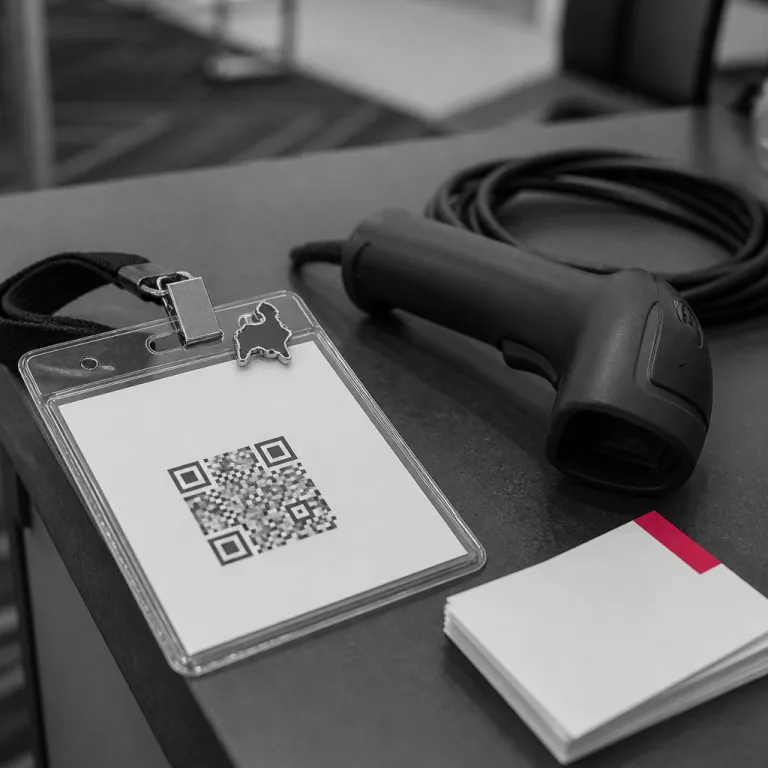
At RAI Amsterdam or Jaarbeurs Utrecht, your badge scanner captures every lead in the same flat way. Behind those badges sit wildly different levels of intent, budget, and authority, yet most exhibitors still treat these leads as a single undifferentiated list. That is where AI event lead scoring follow-up automation becomes the control layer between raw event data and a realistic sales pipeline.
The first post event problem is volume, because a mid sized stand at a Benelux cybersecurity summit can easily generate 350 to 600 leads over two days. Your sales team then faces a manual triage task that usually drags on for weeks, while high intent buyers cool down and your competitors follow up faster. AI tools attack this volume issue by ingesting lead data from scanners, forms, and meeting apps, then enriching every account with firmographic data, technographic context, and CRM data in real time.
The second structural problem is speed, since Dutch sales reps rarely have capacity to build a prioritised queue within 24 hours. AI based scoring systems now assign lead scores within minutes, using a scoring model that blends event behaviour signals, content engagement, and historical win rates from your CRM data. When this AI event lead scoring follow-up automation is wired into marketing automation and multi channel outreach tools, your first email or phone touchpoint can land while the event is still in the attendee’s calendar.
Designing an AI scoring model that reflects Dutch buying committees, not vendor hype
Most off the shelf lead scoring templates were built for US style inbound funnels, not for Dutch B2B buying committees walking the aisles of the Amsterdam Security Expo. To make AI event lead scoring follow-up automation work in Nederland, you need a scoring model that reflects local deal structures, procurement cycles, and the specific firmographic data of Benelux accounts. That means weighting intent signals from events like ICT&Logistiek or Webwinkel Vakdagen differently from a generic SaaS roadshow.
A robust scoring system for exhibitors starts with clear definitions of what a qualified lead actually is for your sales team. You then map each event signal to that definition, including session attendance, booth dwell time, questions asked, and whether the visitor came from a named target account on your account based marketing list. AI tools can then assign lead scores based on these signals, enriched with lead data from LinkedIn, Chamber of Commerce records, and your existing CRM data about past opportunities.
For Dutch field marketers, the next step is to connect this scoring system to a practical event scorecard that finance and sales leaders trust. A structured template such as a data driven event scorecard helps you compare lead quality, cost per lead, and conversion rates across summits. When AI event lead scoring follow-up automation feeds that scorecard with real time lead scores and account level outcomes, you can decide whether to renew a RAI sponsorship or shift budget to a smaller Rotterdam niche forum.
Turning conversations into structured records: AI enrichment and session summarisation
On the show floor, your best sales reps rarely type detailed notes into the lead app after each conversation. They move to the next lead, leaving your CRM data full of vague comments like “interested in demo” that tell the post event sales team almost nothing. AI tools now bridge this gap by converting raw notes, voice snippets, and session attendance logs into structured lead data that supports precise lead scoring.
Modern enrichment engines can build a complete account profile from a business card, a badge scan, or a short cold email exchange. They pull firmographic data such as company size, industry, and headquarters location, then combine it with intent signals from content downloads, webinar registrations, and previous event visits. When this enrichment is based on a unified system that connects your event platform, CRM, and marketing automation stack, every lead follow action becomes more targeted and less wasteful.
For Dutch exhibitors focused on ROI, the real value appears when AI summarisation and enrichment feed into a rigorous trade show ROI framework. You can then see which events generated high intent conversations with budget holders, and which only produced top of funnel leads that never progressed. AI event lead scoring follow-up automation does not magically create deals, but it exposes where your programme loses the thread between badge scan and signed contract.
From raw queue to smart cadence: orchestrating AI driven follow-up across channels
Once AI has scored and enriched your leads, the next challenge is orchestrating a follow-up sequence that respects Dutch buyer preferences. A generic cold email blast from your sales team will not convert a complex Benelux buying committee that expects relevance and thought leadership. AI event lead scoring follow-up automation helps by aligning outreach channels, timing, and messaging with the underlying intent signals.
High intent leads, such as visitors who attended your product demo and asked pricing questions, should trigger a fast multi channel cadence that combines email, phone, and LinkedIn touches. Lower intent leads, who only scanned for a giveaway, can enter a slower marketing automation nurture stream with educational content and light thought leadership pieces. In both cases, AI tools can propose the next best step for each account, based on previous engagement data and the behaviour of similar leads in your scoring model.
For Dutch exhibitors, the operational test is whether your sales reps actually follow the AI generated queue. That requires clear rules of engagement between marketing and the sales team, transparent dashboards that show which leads are untouched, and service level agreements on response times. When the system works, your post event pipeline review shifts from anecdotal debates about “event quality” to concrete metrics on lead follow speed, outreach effectiveness, and conversion by lead scores.
What AI cannot replace: human judgment, local nuance, and strategic event choices
AI can rank leads, enrich accounts, and automate email sequences, but it cannot yet read the subtle dynamics of a Dutch procurement meeting. A senior sales rep who has closed multiple deals with ministries in Den Haag will interpret the same intent signals very differently from a generic scoring algorithm. That human judgment remains essential when deciding which leads justify travel for an in person follow up meeting in Eindhoven or Antwerp.
The same applies to event selection, where AI event lead scoring follow-up automation can only optimise what you already attend. Dutch field marketers still need to choose between a large horizontal summit at RAI and a focused vertical event in Utrecht, based on where the right buying committees actually gather. Resources such as this analysis of AI driven pre show content strategy help you align event choices with how your buyers research and shortlist vendors.
Finally, AI tools cannot replace the trust built by consistent, thoughtful outreach from your sales team over months. Dutch buyers notice when every email and phone call is clearly automated, and they reward vendors whose sales reps show real understanding of their context. The exhibitors who win in Nederland will use AI to handle the repetitive steps of lead management, while keeping humans focused on nuanced conversations, complex account strategies, and the one metric that matters most ; not the attendee count, but the buying committee in the room.
FAQ
How should Dutch exhibitors start with AI event lead scoring follow-up automation ?
Begin by mapping your current post event workflow from badge scan to first sales touch. Then select one event where you can pilot AI based lead scoring, enrichment, and automated outreach without disrupting the entire sales team. Focus on integrating the AI system with your existing CRM data and marketing automation tools, so lead data flows cleanly and sales reps see value quickly.
Which data points matter most for effective AI driven lead scoring after events ?
The most predictive data points usually combine firmographic data, event behaviour, and historical conversion patterns. For Dutch B2B exhibitors, that often means company size, industry, and region, plus session attendance, booth engagement, and whether the contact matches your ideal customer profile. Feeding these signals into a transparent scoring model helps your sales team trust the resulting lead scores.
How can AI improve follow-up speed without overwhelming the sales team ?
AI systems can create a prioritised queue that surfaces only the highest intent leads for immediate human outreach. Lower intent leads can enter automated multi channel nurture sequences that use email and content to keep your brand present without consuming sales capacity. Clear rules on which scores trigger personal outreach help Dutch sales reps manage their time while still responding quickly to valuable opportunities.
What are common pitfalls when implementing AI tools for post event lead management ?
Typical pitfalls include poor data hygiene, lack of integration between event platforms and CRM systems, and unrealistic expectations about full automation. If your lead data is incomplete or inconsistent, even the best scoring system will produce unreliable lead scores. Dutch exhibitors should invest first in clean data flows and shared definitions of qualified leads before scaling AI event lead scoring follow-up automation.
How do AI driven insights change event selection and sponsorship decisions in Nederland ?
When AI tools track lead quality and pipeline impact by event, Dutch marketers can compare summits on more than just badge volume. Over time, patterns emerge showing which venues, formats, and audiences generate high intent opportunities that progress through the sales funnel. Those insights support tougher negotiations with organisers and more confident decisions about renewing or reallocating sponsorship budgets.