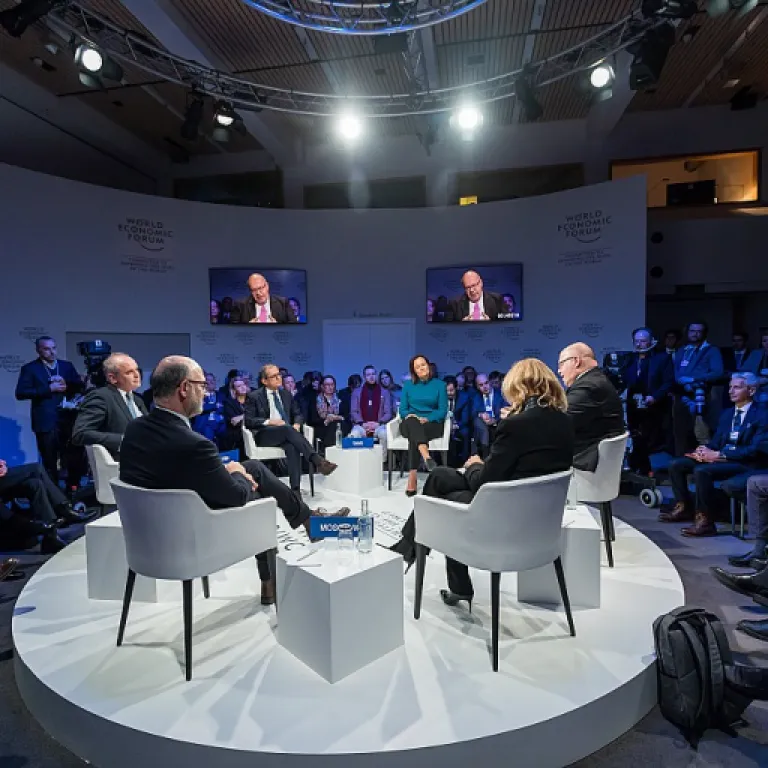
Utrecht corporate summit dynamics in a fragmented conference landscape
The phrase “utrecht corporate summit” does not point to one single conference, yet it accurately captures a growing ecosystem of strategic business gatherings in Utrecht. For B2B professionals, this ecosystem matters because it concentrates leadership, science, business, engineering, and policy debates in one compact and highly connected city. Understanding how these conferences in Utrecht, Netherlands, interlock helps companies align their own summit strategies with regional strengths.
In practice, the Utrecht corporate summit landscape is anchored by events such as the Leaders Summit, Dutch Mobility Summit, and TOPX Summit, each targeting different segments of business and social science communities. These conferences function as a distributed international conference platform, where topics range from sustainable mobility and supply chain resilience to leadership in medicine, health, and life sciences. For international conferences planners, Utrecht, Netherlands, offers a future proof mix of venues, transport links, and hybrid formats that support both physical and digital participation.
Professionals attending any Utrecht conference within this ecosystem encounter a cross section of disciplines, including engineering technology, software engineering, law, and education teaching. This multidisciplinary approach turns individual conferences Utrecht into a de facto Utrecht corporate summit, where data driven decision making, artificial intelligence, and digital sovereignty are recurring themes. For companies evaluating where to send their vice president or senior leadership teams, Utrecht, Netherlands, increasingly competes with larger capitals as a best conference destination for strategic learning and future work dialogues.
Cross disciplinary value at the Utrecht corporate summit ecosystem
For B2B leaders, the real strength of the Utrecht corporate summit environment lies in its cross disciplinary design. A single trip to Utrecht, Netherlands, can combine sessions on business strategy, engineering innovation, and social science insights into changing labour markets. This blend is particularly valuable for organizations that must align technology, law, and health regulations across complex international supply chain networks.
At conferences Utrecht that focus on mobility and sustainability, engineering and sports related data are used to model commuter flows, workplace well being, and environmental impact. Sessions often connect engineering technology with medicine and public health, showing how active mobility policies influence long term health outcomes and corporate insurance costs. In parallel, international conferences on leadership and diversity explore how education teaching methods and learning science can improve talent pipelines in life sciences and software engineering.
American studies and European policy panels sometimes appear alongside law and governance tracks, giving the Utrecht corporate summit ecosystem a distinctly international conference flavour. These discussions help vice president level participants benchmark regulatory trends and digital sovereignty debates across jurisdictions. For many attendees, this density of perspectives makes a Utrecht conference feel like the best conference choice when they need both strategic breadth and deep sector specific studies in one compact programme.
Hybrid formats, digital sovereignty, and data driven conferences in Utrecht
Hybrid event design has become a defining feature of the Utrecht corporate summit landscape, reshaping how conferences Utrecht are planned and measured. Organizers increasingly combine in person sessions in Utrecht, Netherlands, with digital participation from international audiences, using open source and proprietary platforms. This hybrid approach allows science, business, and engineering communities to maintain continuity even when travel budgets or health constraints fluctuate.
With hybrid formats, data becomes central to conference strategy, from registration analytics to engagement heatmaps across sessions on law, medicine, and artificial intelligence. Organizers of each Utrecht conference now treat data governance and digital sovereignty as board level issues, especially when hosting international conferences that process sensitive health or social science information. This has elevated discussions around European data regulation, cross border transfers, and the role of open source tools in maintaining transparency.
For B2B participants, the Utrecht corporate summit environment offers practical case studies on how to run future proof hybrid events that still feel like the best conference experience. Technology tracks often highlight engineering technology and software engineering solutions that automate translation, captioning, and networking recommendations. As a result, vice president and director level attendees can compare platforms, assess automation trade offs, and evaluate whether their own corporate summit strategy in Utrecht, Netherlands, should prioritise proprietary or open source stacks for future work and learning programmes.
Future proof leadership, mobility, and the role of Utrecht in European business
Utrecht’s position as a rail hub and knowledge centre underpins the strategic relevance of any Utrecht corporate summit for European business leaders. The city’s infrastructure allows participants from major capitals to reach conferences Utrecht within a few hours, reducing the need for short haul flights. This accessibility supports sustainable mobility goals while still enabling dense international conference schedules for busy executives.
Leadership focused events in Utrecht, Netherlands, increasingly frame future work as a system level challenge that spans health, sports, and social science. Panels on vision engineering and engineering technology explore how automation and artificial intelligence will reshape both office and industrial workplaces. At the same time, sessions on medicine and health policy examine how corporate decisions on remote work, commuting, and sports or wellness programmes affect long term workforce resilience.
Within this context, the Utrecht conference ecosystem functions as a laboratory for future proof leadership models that integrate law, business ethics, and digital sovereignty. International conferences hosted here often invite a vice president or C suite panel to debate governance of open source software engineering tools and AI models. For many participants, these debates reinforce the perception that a well curated Utrecht corporate summit can rank among the best conference options in Europe for aligning strategy, regulation, and technology.
Deep dive: supply chain, real estate, and sector specific Utrecht conferences
Beyond headline leadership events, the Utrecht corporate summit environment includes highly specialised conferences Utrecht on supply chain, logistics, and corporate real estate. These gatherings attract professionals who manage warehouses, office portfolios, and transport networks across Utrecht, Netherlands, and neighbouring regions. They often combine engineering, business, and law perspectives to address contract risk, automation investments, and environmental compliance.
In supply chain focused international conferences, data driven modelling is used to stress test networks against disruptions, while sessions on engineering technology and software engineering examine warehouse robotics and transport automation. Real estate tracks within a Utrecht conference explore how hybrid work patterns are reshaping office demand, with social science and health experts analysing impacts on collaboration, learning, and employee well being. Sports and active mobility case studies sometimes appear here, linking building design to movement, medicine, and long term health outcomes.
For B2B strategists, these sector specific events demonstrate how a Utrecht corporate summit can move from abstract future work debates to concrete investment roadmaps. Panels often feature a vice president of operations or property alongside experts in artificial intelligence and digital sovereignty, discussing open source versus proprietary building management systems. This mix of studies, science, and business practice reinforces Utrecht, Netherlands, as a best conference destination for organisations seeking future proof strategies across supply chain and real estate portfolios, while also offering practical networking with international conference peers.
Designing your own Utrecht corporate summit strategy as a B2B professional
For companies planning their own participation or hosting plans, treating the Utrecht corporate summit ecosystem as a modular toolkit is effective. Teams can combine leadership oriented conferences Utrecht with sector specific international conferences on supply chain, medicine, or engineering technology to build a year round learning agenda. Embedding these events into formal education teaching and internal learning programmes helps convert conference insights into measurable business outcomes.
Marketing and event teams should benchmark each Utrecht conference against internal objectives, asking whether it qualifies as the best conference for a given strategic theme. Resources such as this analysis of elevating exhibitor marketing strategies for B2B event success in Nederland can guide decisions on sponsorship, speaking slots, and hybrid engagement tactics. When planning executive attendance, many organisations prioritise events in Utrecht, Netherlands, that integrate artificial intelligence, digital sovereignty, and open source debates into their programmes.
From a governance perspective, involving at least one vice president in selecting conferences Utrecht ensures alignment with long term future work and automation strategies. Cross functional delegations that include experts in law, software engineering, health, and social science can then translate international conference insights into policy and product roadmaps. Over time, this deliberate engagement with the Utrecht corporate summit landscape helps organisations remain future proof, positioning them competitively within European networks of science, business, engineering, and data driven innovation.
Key statistics on the Utrecht corporate summit ecosystem
- Leaders Summit in Utrecht typically gathers around 500 participants, creating an intimate yet diverse environment for high level business and leadership dialogue.
- Flagship mobility and sustainability conferences in Utrecht often run over 2 days, allowing sufficient time for deep dives into engineering, health, and policy case studies.
- Leadership development events linked to Utrecht’s life sciences cluster usually span 2 intensive days, combining plenary sessions with focused workshops and mentoring.
Frequently asked questions about the Utrecht corporate summit landscape
How does Utrecht compare to larger capitals for corporate summits ?
Utrecht offers a compact, walkable city centre, strong rail connectivity, and a dense concentration of knowledge institutions, which together create efficient schedules for B2B professionals. While it lacks the scale of some capitals, conferences Utrecht often provide more focused networking and easier access to speakers. For many organisations, this balance of accessibility and depth makes a Utrecht conference a compelling alternative to larger, more diffuse venues.
Which sectors benefit most from attending conferences in Utrecht, Netherlands ?
Sectors with strong links to science, engineering, health, and social science gain particular value from the Utrecht corporate summit ecosystem. Life sciences, mobility, logistics, and software engineering companies find relevant international conferences that address both technical and regulatory issues. Additionally, organisations focused on future work, digital sovereignty, and automation can access specialised tracks that support long term strategic planning.
How can B2B teams maximise ROI from a Utrecht corporate summit ?
Teams should define clear learning and networking objectives before selecting conferences Utrecht, aligning each event with specific projects or KPIs. Combining plenary attendance with targeted side meetings in Utrecht, Netherlands, helps convert insights into partnerships or pilots. Post event debriefs and integration into internal learning programmes ensure that international conference takeaways influence real business decisions.
Are hybrid and digital formats now standard in Utrecht conferences ?
Most major conferences Utrecht have adopted hybrid formats, blending on site participation in Utrecht, Netherlands, with digital access for international audiences. This shift has increased the importance of data governance, open source tools, and digital sovereignty in event design. For attendees, hybrid options expand access while preserving the depth and networking advantages of an in person Utrecht corporate summit.
What types of professionals typically attend the Utrecht corporate summit ecosystem ?
Attendees usually include business leaders, policymakers, HR and sustainability managers, and specialists in engineering, medicine, and social science. Many organisations send at least one vice president or senior director to key international conferences to ensure strategic alignment. This mix of decision makers and technical experts contributes to the high perceived value of a Utrecht conference for B2B networking and collaboration.
Trusted sources for further information
- Leaders Summit official website
- Dutch Mobility Summit official website
- TOPX Summit announcement via Utrecht Science Park