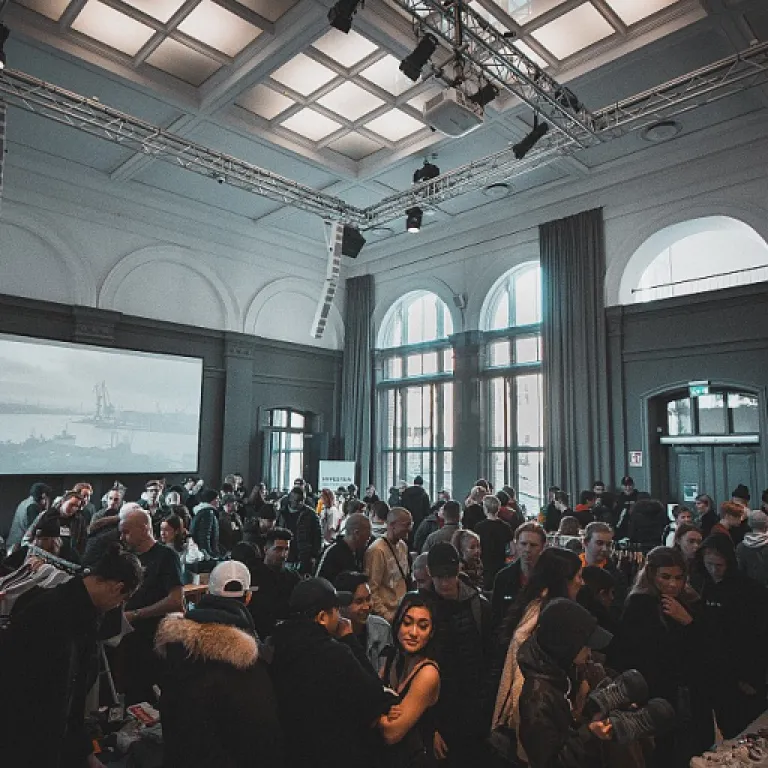
Why talent development events matter for B2B growth in Nederland
In Nederland, talent development events have become a strategic lever for B2B competitiveness. For Dutch companies operating in global markets, each talent development event now connects learning, talent acquisition, and employer branding in one integrated experience. As international competition intensifies, leaders increasingly treat these events as core infrastructure for workforce resilience.
Business professionals in Nederland attend events to align talent development with data driven decision making and long term workforce planning. A single conference or international conference can now combine talent management tracks, L&D event labs, and branding digital showcases for HR and marketing teams. This convergence helps professionals link learning content, talent acquisition pipelines, and professional development journeys across the entire workforce.
Talent development events in the Dutch market also mirror global talent dynamics while staying rooted in local regulatory and cultural realities. ATD style formats, including the ATD International Conference & Expo, inspire Dutch organizers to design conference expo experiences that attract both local and global community participants. For many professionals, these conferences and workshops are the only moments when HR, L&D, and business leaders jointly debate future focused workforce planning.
Because Nederland is a hub for international headquarters, talent development events here often feature keynote speakers who connect global talent trends with Benelux specific case studies. These keynote speakers and other speakers give B2B professionals practical frameworks for talent management, future talent pipelines, and data driven workforce planning. As a result, talent development events in Nederland increasingly shape how companies structure their learning strategies and talent acquisition roadmaps.
From traditional conferences to future focused learning ecosystems
The classic conference format in Nederland is evolving into a more future focused learning ecosystem. Instead of isolated conferences, organizers now design sequences of events that blend seminars, workshops, and hackathons around a coherent talent development theme. This shift reflects how professionals prefer continuous learning rather than one off event experiences.
At the center of this evolution are L&D event concepts that integrate formal learning, peer learning, and experiential learning in one program. A single talent development event might combine plenary sessions with keynote speakers, small group labs for L&D professionals, and branding digital clinics for HR marketers. These formats help participants learn new skills while testing talent acquisition and employer branding ideas in realistic B2B scenarios.
In Nederland, many conferences now use AI enhanced tools to personalize learning content and networking recommendations. This data driven approach allows professionals to select sessions aligned with their role in talent management, workforce planning, or global talent strategy. However, organizers must also address data privacy expectations, especially when international conference platforms process sensitive workforce data.
Hybrid and virtual conferences have expanded access to global community participation without losing the value of in person events. Dutch organizers increasingly curate conference expo zones where technology providers, assessment firms, and learning platforms present integrated solutions for talent development. For B2B leaders, this ecosystem approach turns each event into a marketplace of ideas, tools, and partnerships that support long term professional development.
Integrating AI, data driven insights, and experiential formats
AI is reshaping how talent development events in Nederland are designed, delivered, and evaluated. Organizers use AI to analyze registration data, session feedback, and workforce skills gaps, creating more data driven agendas for both single conference formats and multi city conferences. This intelligence helps align learning content with real talent acquisition and talent management priorities.
During an L&D event, AI powered recommendation engines can guide professionals toward sessions on future talent, workforce planning, or employer branding that match their profiles. These tools also support global talent strategies by connecting Dutch participants with international conference peers who share similar challenges. Yet, as AI becomes central to events, leaders must ensure transparency about algorithms and protect sensitive workforce information.
Experiential formats are equally important in the Dutch context, especially for digital skills and branding digital capabilities. Hackathons, simulations, and live case clinics allow professionals to learn by doing, testing new approaches to talent acquisition campaigns or data driven talent development programs. This experiential learning strengthens collaboration between HR, marketing, and business leaders who attend events together.
Organizers in Nederland increasingly combine AI insights with experiential design to create future focused conference expo experiences. For example, a talent development event might feature AI guided tours of exhibitor zones, helping professionals find tools for L&D, professional development, and global community engagement. By blending AI, data driven planning, and experiential formats, Dutch events deliver more relevant outcomes for both individual talent and the broader workforce.
Strategic alignment of talent acquisition, talent management, and employer branding
For B2B companies in Nederland, talent development events now serve as alignment platforms for talent acquisition, talent management, and employer branding. HR and business leaders use these events to test narratives about future talent, global talent mobility, and workforce planning in front of critical professional audiences. This real time feedback helps refine both internal and external branding digital strategies.
At many conferences and L&D event programs, sessions explicitly connect professional development with talent acquisition funnels and retention metrics. Leaders examine how learning content and coaching initiatives influence the attractiveness of their employer branding in competitive Dutch and European markets. When professionals attend events together, they co create action plans that link learning, performance, and long term workforce resilience.
Talent development events also help Dutch organizations benchmark against global community standards for talent management and leadership development. International conference formats, including ATD International style gatherings, bring global talent experts to Nederland to share case studies and data driven practices. These exchanges enable local leaders to adapt global frameworks to the specific regulatory and cultural environment of Nederland.
Because many Dutch companies operate across multiple countries, conference expo zones often highlight tools for cross border workforce planning and multilingual learning content. Professionals can register for demos that show how integrated platforms support both talent acquisition and ongoing professional development. Over time, this strategic use of events strengthens the coherence between corporate strategy, talent development, and employer branding narratives.
Designing high impact programs and maximizing attendee value in Nederland
Designing high impact talent development events in Nederland requires careful attention to program architecture and attendee journeys. Organizers must balance plenary sessions with keynote speakers, interactive workshops, and networking formats that serve different segments of the workforce. Early career professionals, mid career managers, and senior leaders each expect tailored learning content and professional development pathways.
Effective programs in Nederland often include early bird registration phases that encourage teams to register together and plan shared learning goals. When professionals register today as cross functional groups, they can align which conferences, sessions, and conference expo visits will support their talent development priorities. This team based approach increases the likelihood that learning translates into concrete changes in talent management and workforce planning.
To help attendees maximize value, Dutch organizers provide pre event briefings, curated agendas, and digital tools that map sessions to specific talent acquisition or future talent objectives. Articles such as guides on maximizing congress and expo experiences illustrate how structured preparation improves outcomes. During the event, data driven feedback loops allow organizers to adjust room capacities, speaker formats, and networking opportunities in real time.
Post event, many Dutch conferences now offer extended access to recorded content, enabling professionals to learn at their own pace. This model supports ongoing L&D event impact and reinforces employer branding by showing a sustained commitment to talent development. When leaders attend events with a clear strategy and follow up rigorously, talent development events in Nederland become catalysts for measurable workforce transformation.
Building a global community from Nederland and turning insights into action
Talent development events in Nederland increasingly function as gateways to a wider global community of practice. Dutch professionals who attend events locally often continue their engagement through international conference networks, online forums, and cross border project collaborations. This ongoing interaction strengthens both individual talent capabilities and organizational readiness for global talent challenges.
For many leaders, the decision to attend events is now evaluated through a strategic lens that includes professional development, networking, and innovation outcomes. They assess which conferences and L&D event formats provide access to relevant keynote speakers, practitioners, and data driven case studies. When these elements align, a single talent development event can influence multi year workforce planning and talent management strategies.
To translate insights into action, Dutch organizations increasingly formalize post event processes that capture learning and assign ownership. Teams who register today for major conference expo gatherings commit to debrief sessions, internal webinars, and pilot projects linked to talent acquisition or future talent initiatives. This discipline ensures that content from events does not remain abstract but instead shapes concrete changes in learning systems and employer branding.
By positioning Nederland as a hub for future focused talent development events, local organizers and international partners co create a robust ecosystem. Conferences, seminars, and workshops hosted in Dutch cities attract professionals from across Europe and beyond, reinforcing the country’s role in global talent dialogue. Over time, this global community anchored in Nederland will continue to refine how B2B organizations design, evaluate, and scale their workforce strategies.
Key statistics shaping talent development events
- Attendance at a major ATD International Conference & Expo reached 10 000 attendees, illustrating the scale of global talent development demand.
- One flagship ATD26 style event offered 450 sessions, highlighting the breadth of learning content available to professionals.
- Approximately 72 % of event professionals identify cybersecurity as a necessary reskilling area within talent development agendas.
- Around 61 % of event organizers consider data security and privacy as critical upskilling domains for their workforce.
- Roughly 66 % of event industry leaders state that virtual events will require new skillsets in the near future.
Frequently asked questions about talent development events in Nederland
How can Dutch B2B companies align talent development events with business strategy ?
Companies in Nederland should start by mapping strategic priorities such as market expansion, digital transformation, or new service lines to specific skills and capabilities. From there, leaders can select conferences and L&D event formats that address these gaps, ensuring that learning content, keynote speakers, and workshops support measurable workforce planning objectives. Embedding post event action plans and KPIs helps translate insights from events into tangible improvements in talent acquisition, talent management, and professional development.
What makes talent development events in Nederland attractive to international participants ?
Nederland offers a strong combination of logistical accessibility, multilingual professionals, and a mature B2B ecosystem. International conference organizers value Dutch venues for their connectivity and for the presence of global talent hubs in cities such as Amsterdam, Rotterdam, and Utrecht. For participants, Dutch events often blend high quality content, data driven program design, and opportunities to engage with a diverse global community of leaders and professionals.
How should professionals choose which talent development events to attend ?
Professionals should begin by clarifying their development goals, whether focused on leadership, digital skills, or specialized domains such as employer branding or workforce analytics. They can then compare conferences and events based on program depth, relevance of keynote speakers, and opportunities for networking with peers facing similar challenges. Considering factors such as early bird pricing, access to recorded content, and the presence of a conference expo can further refine the selection.
What role do hackathons play in talent development for Dutch businesses ?
Hackathons provide an intensive, experiential format where cross functional teams can learn, experiment, and innovate under time pressure. For Dutch B2B organizations, these events are particularly valuable for testing new digital solutions, strengthening collaboration between IT and business units, and identifying future talent with strong problem solving skills. When integrated into broader talent development events, hackathons complement conferences and seminars by turning theoretical learning into practical, data driven experimentation.
How can HR and L&D teams measure the impact of attending events ?
HR and L&D teams in Nederland can measure impact by defining clear objectives before registration, such as improving specific KPIs, launching new learning programs, or enhancing employer branding. After the event, they should track implementation of ideas, participation in follow up initiatives, and changes in metrics such as engagement, retention, or internal mobility. Combining qualitative feedback from attendees with quantitative data driven indicators provides a balanced view of how talent development events contribute to workforce and business outcomes.