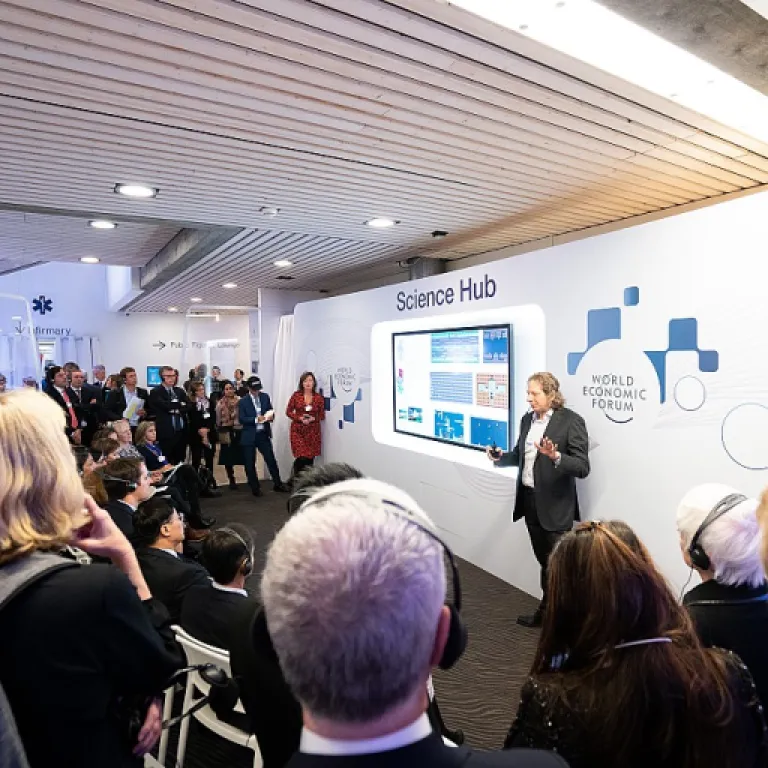
Rotterdam as a strategic hub for transport conferences and B2B decision makers
The transport conference in Rotterdam has become a focal point for senior executives who manage complex transportation portfolios across Europe. In a single event, they access maritime insurance expertise, project logistics insights, and intermodal transportation strategies that directly influence capital allocation and risk management. This concentration of knowledge is rare in international business events and explains why conferences Rotterdam now rank among the most strategic gatherings for logistics leaders.
Rotterdam’s port handles more than 400 million tons of cargo annually, which gives the transport conference in Rotterdam a uniquely data rich environment for applied studies and benchmarking. When 30 000 sea going vessels and 100 000 inland vessels call at the port each year, the city becomes a living laboratory for transportation symposium debates on capacity, resilience, and emissions. For B2B professionals, this scale transforms an international conference into a practical workshop on global supply chain realities rather than a purely academic exercise.
Because Rotterdam is Europe’s largest seaport, the transport conference in Rotterdam naturally attracts interdisciplinary audiences from engineering, law, finance, and technology. Maritime insurers, project managers, and logistics transportation specialists meet software engineering and security software vendors who are building the next generation of port community systems. This blend of operational experience and engineering technology innovation strengthens the authority of each conference and reinforces Rotterdam’s position as a global reference point for transport and logistics strategy.
Intermodal Europe, project logistics, and the rise of integrated transport thinking
Among the flagship events, Intermodal Europe stands out as a cornerstone of the transport conference in Rotterdam agenda for container shipping and rail road integration. The exhibition and international conference format allows participants to move seamlessly from technical sessions on science engineering to live demonstrations of handling equipment and digital platforms. For B2B attendees, this mix of theory and practice clarifies which engineering technology investments can realistically scale across terminals and corridors.
Project logistics leaders use the transport conference in Rotterdam to stress test their strategies for oversized cargo, offshore wind components, and industrial plants. Sessions linked to breakbulk Europe and heavy lift operations explore how logistics transportation chains can remain reliable when infrastructure, weather, and regulatory constraints collide. These debates often reference case studies where Rotterdam’s terminals served as gateways for global projects, turning the city into a benchmark for risk sharing between carriers, shippers, and insurers.
Because event execution quality directly affects deal making, many organizers now apply advanced frameworks for mastering event logistics for high impact B2B business events in Nederland. This operational discipline ensures that networking zones, side meetings, and transportation symposium workshops run with the same precision as a well managed terminal. As a result, the transport conference in Rotterdam becomes not only a content platform but also a live demonstration of best practice in large scale event logistics.
Interdisciplinary studies, sciences, and education shaping transport leadership
The intellectual backbone of the transport conference in Rotterdam is increasingly interdisciplinary, drawing on studies from economics, engineering, and social sciences. Panels bring together experts in mathematics statistics, public health, and environmental science to analyse how transportation corridors affect urban air quality and community wellbeing. This approach ensures that science and policy discussions remain grounded in measurable outcomes rather than abstract concepts.
Universities and business schools use the transport conference in Rotterdam as an extension of their education programmes in logistics, maritime law, and engineering. Doctoral candidates present studies on port efficiency, while professors in life sciences and medicine medical examine occupational health in port communities. These contributions highlight how sciences and medicine intersect with transportation, especially when shift work, noise, and emissions influence long term public health indicators.
International departments in american studies and latin american research also find a place within this interdisciplinary ecosystem. They analyse how global trade patterns, regional integration, and social sciences perspectives shape the flows that converge in Rotterdam. For B2B executives, this blend of global and local studies provides a richer context for investment decisions, helping them align transportation strategies with broader societal expectations and regulatory trajectories.
From maritime law to real estate: legal and asset perspectives on Rotterdam events
Legal frameworks are central to every transport conference in Rotterdam because maritime law and insurance contracts underpin almost every shipment. Specialist sessions examine liability regimes, sanctions compliance, and dispute resolution mechanisms that affect carriers, freight forwarders, and cargo owners. These discussions give in house counsel and risk managers a direct line to the latest interpretations of international conventions and case law.
Real estate investors and port authorities attend the transport conference in Rotterdam to evaluate how terminal concessions, logistics parks, and warehouse clusters can support long term transportation growth. Panels on port centric real estate explore how land use, zoning, and infrastructure financing interact with logistics transportation demand. When combined with engineering technology forecasts, these insights help asset managers calibrate their portfolios to evolving trade lanes and cargo mixes.
Because sponsorship strategies influence which topics gain visibility, many organizers rely on strategic event sponsorship in Nederland for high impact B2B growth to align partners with content themes. This ensures that sessions on law, security software, and software engineering remain independent while still benefiting from industry funding. For participants, the result is a transport conference in Rotterdam that balances commercial interests with credible, expert driven debate on regulation, contracts, and long term asset planning.
Networking dynamics, seasonal timing, and the role of sports and culture
Networking remains one of the strongest arguments for attending a transport conference in Rotterdam, especially for executives managing international portfolios. Carefully curated matchmaking sessions connect buyers and suppliers across maritime insurance, logistics transportation, and engineering technology segments. These formats transform traditional coffee breaks into structured opportunities where global partnerships and joint ventures often begin.
Organizers pay close attention to the calendar, with many conferences Rotterdam scheduled in march, april, or june to align with shipping cycles and budget planning. This timing allows participants to integrate insights from an international conference into mid year reviews and capital expenditure decisions. It also avoids peak holiday periods, which helps sustain high quality attendance from senior decision makers who drive transportation symposium outcomes.
Rotterdam’s cultural and sports infrastructure further enhances the appeal of each event, offering informal settings where networking continues after formal sessions. Delegates often combine visits to stadiums or waterfront venues with discussions on studies social, social sciences, and public health impacts of major infrastructure projects. In this way, the transport conference in Rotterdam extends beyond meeting rooms, using the city itself as a backdrop for relationship building and cross sector dialogue.
Technology, security, and the future of global transport conferences in Rotterdam
Digital transformation is now embedded in every major transport conference in Rotterdam, with technology providers showcasing tools that connect ships, terminals, and hinterland networks. Vision engineering and software engineering teams present solutions for real time tracking, predictive maintenance, and digital twins of port operations. These innovations rely heavily on security software to protect data flows and ensure that critical infrastructure remains resilient against cyber threats.
Sessions dedicated to science engineering and engineering technology explore how automation, robotics, and artificial intelligence can increase throughput without compromising safety. Experts in life sciences and medicine medical contribute by assessing how new technologies affect workforce ergonomics and long term health. Their analyses often draw on mathematics statistics models that quantify incident rates, fatigue patterns, and productivity gains across transportation environments.
As intermodal Europe, breakbulk Europe, and other international conference brands deepen their presence, Rotterdam’s role in global transport governance continues to expand. The city’s events increasingly function as a barometer for international policy shifts, from emissions regulation to social sciences informed labour standards. For B2B professionals, committing to the transport conference in Rotterdam means engaging with the full spectrum of global, interdisciplinary debates that will shape transportation systems for the coming decade.
Key quantitative insights on transport conferences in Rotterdam
- Annual cargo transshipment at the Port of Rotterdam exceeds 430 million tons, providing a uniquely large scale test bed for transport conference case studies.
- Approximately 30 000 sea going vessels call at the Port of Rotterdam each year, reinforcing its status as a primary hub for international conference discussions on maritime flows.
- Close to 100 000 inland vessels use Rotterdam’s waterways annually, underlining the importance of intermodal Europe themes and logistics transportation integration.
Frequently asked questions about the transport conference in Rotterdam
How does the transport conference in Rotterdam benefit B2B companies directly ?
B2B companies gain direct access to decision makers across shipping, logistics transportation, insurance, and technology, which accelerates deal cycles and partnership formation. The concentration of international conference content on engineering, law, and sciences also shortens learning curves for teams entering new markets. Many firms report that a single transport conference in Rotterdam can replace multiple separate business trips and research projects.
Why is Rotterdam considered a leading location for international transport events ?
Rotterdam combines Europe’s largest seaport with advanced hinterland connections, making it an ideal setting for transportation symposium demonstrations and site visits. The density of terminals, warehouses, and real estate projects allows participants to see theory applied in real operations. This ecosystem, supported by strong education and research institutions, gives conferences Rotterdam a credibility that purely conference centre locations often lack.
Which professional profiles gain the most from attending these conferences ?
Typical attendees include logistics managers, maritime insurers, engineers, and technology vendors focused on software engineering and security software. Policy makers, legal experts in maritime law, and investors in port related real estate also find high value in the sessions. Increasingly, specialists in public health, social sciences, and life sciences attend to address the broader impacts of transportation on communities.
How do events like intermodal Europe and breakbulk Europe complement each other ?
Intermodal Europe focuses on containerised flows and the integration of rail, road, and sea, while breakbulk Europe concentrates on non containerised and project cargo. Together, they provide a comprehensive view of logistics transportation challenges across different cargo types and engineering requirements. For participants, attending both within the broader transport conference in Rotterdam calendar offers a complete picture of market dynamics.
What role do interdisciplinary studies play in shaping conference agendas ?
Interdisciplinary studies from mathematics statistics, social sciences, and american studies inform sessions on trade patterns, risk, and societal impact. Contributions from medicine medical and public health experts ensure that worker safety and community wellbeing remain central to transportation debates. This blend of sciences and practical case work strengthens the evidence base behind policy recommendations and corporate strategies discussed in Rotterdam.