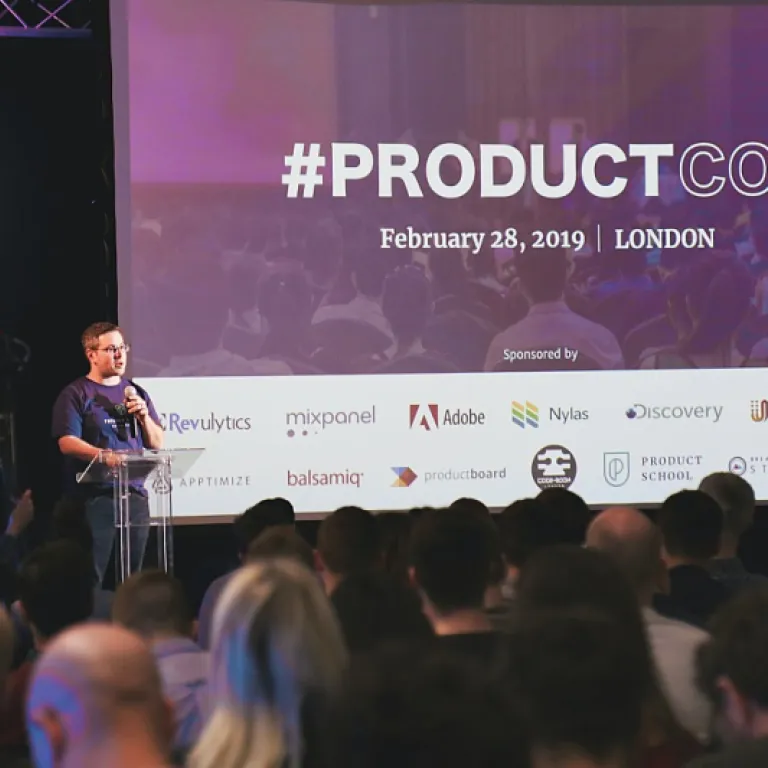
Strategic role of the business exhibition in amsterdam for B2B leaders
The business exhibition in amsterdam has evolved into a strategic platform for industry decision makers. Its location in the Netherlands connects northern Europe with global trade corridors, which turns each event into a gateway for international partnerships. For B2B leaders, this concentration of exhibitions and conferences compresses a year of meetings into a few highly efficient days.
Amsterdam Netherlands offers a dense ecosystem of venues, from RAI Amsterdam to boutique congress centres and hotel meeting spaces. This ecosystem supports every format, whether a focused conference, a large trade fair, or a hybrid exhibition congress with parallel tracks. The city’s transport links to Germany, France, and the United Kingdom reinforce its role as a neutral, accessible hub for international exhibition activity.
Within this context, the exhibition stand is no longer a simple booth but a strategic asset. Companies use each trade booth to stage their brand narrative, integrate technology demonstrations, and host private label negotiations with retail buyers. Booth rental models have become more flexible, allowing firms to scale their presence across multiple events in February, March, and April without overextending budgets.
For global firms managing complex supply chain networks, a business exhibition in amsterdam provides rare face to face access to partners from Frankfurt Germany, Barcelona Spain, and beyond. Decision makers can compare technology suppliers, evaluate media entertainment solutions, and negotiate digital marketing services in one concentrated event. This clustering effect explains why international exhibition calendars increasingly prioritise Amsterdam over competing European cities.
From horticulture to media entertainment : how sector diversity shapes value
The diversity of each business exhibition in amsterdam is one of its strongest assets. GreenTech Amsterdam focuses on horticulture technology, while PLMA’s World of Private Label brings together retailers and manufacturers from every continent. IBC at RAI Amsterdam then shifts the spotlight to media entertainment, broadcasting, and converging technology platforms.
This sectoral spread means that industry professionals can map crossovers between agriculture, technology, and consumer markets. A supplier of greenhouse sensors, for example, can meet horticulture clients at GreenTech, then engage digital marketing agencies and media partners during IBC. Over several days, the same exhibition stand strategy can be adapted to different audiences without leaving Amsterdam Netherlands.
Identity Week Europe adds another layer by focusing on digital identity and security, which cuts across almost every industry. Exhibitors use their booth to demonstrate authentication technology, identity verification, and secure data flows that underpin global supply chain operations. These international exhibition formats encourage companies to think beyond their core sector and build strategic alliances.
For professionals tracking startup events and innovation pipelines, Amsterdam’s calendar complements major exhibitions with agile formats. Insights from the city’s startup ecosystem are analysed in depth in this guide on navigating the dynamic landscape of startup events in Amsterdam. When combined with large trade fair gatherings, these smaller events help executives test new concepts before committing to a full trade booth or long term booth rental strategy.
Infrastructure, venues, and the rise of multi city exhibition strategies
Behind every successful business exhibition in amsterdam stands a sophisticated infrastructure. RAI Amsterdam operates as a multi hall congress centre capable of hosting a large international exhibition while running smaller conferences in parallel. Its proximity to Schiphol Airport and the city’s hotel capacity allows organisers to scale events from a few hundred delegates to tens of thousands of visitors.
Many exhibitors now design multi city strategies that link Amsterdam Netherlands with other hubs such as Jaarbeurs Utrecht and Rotterdam. Jaarbeurs Utrecht, located in Utrecht Netherlands, offers complementary exhibition congress capacity for trade fair organisers targeting Benelux audiences. This networked approach lets companies reuse exhibition stand designs, logistics partners, and digital marketing campaigns across several events.
Germany remains a critical partner in this circuit, with Frankfurt Germany and other cities hosting specialised trade fairs in February and March. Some firms start their calendar with a Germany February event, refine their trade booth messaging, then scale up for a major business exhibition in amsterdam later in the season. This iterative approach improves ROI on booth rental, stand design, and staff training.
Rotterdam adds another dimension through its port centric focus on supply chain and international trade. The city’s role in shaping cross border networking is examined in this analysis of how Rotterdam shapes the future of B2B events. When combined with Amsterdam’s congress centre infrastructure, these Dutch cities form a powerful triangle for global industry engagement.
Designing an effective exhibition stand strategy for international audiences
For professionals planning a business exhibition in amsterdam, the exhibition stand strategy is central to success. The stand must function simultaneously as a showroom, meeting space, and media studio for digital marketing content. In practice, this means integrating quiet areas for negotiations, open zones for product demonstrations, and branded backdrops optimised for video.
At RAI Amsterdam or Jaarbeurs Utrecht, exhibitors compete for attention across long aisles of booths. A well designed trade booth uses clear messaging, lighting, and interactive technology to signal its value proposition within seconds. Companies active in media entertainment or technology often add live demos, mini conferences, or micro workshops to turn their stand into a destination.
Booth rental models in Amsterdam Netherlands have adapted to these needs, offering modular exhibition stand solutions that can travel to Barcelona Spain, Frankfurt Germany, or other European hubs. This flexibility is particularly valuable for firms that attend multiple international exhibition events in February, March, and April. By standardising core elements and localising only graphics or language, they reduce logistics complexity across the supply chain.
Strategic planning also involves aligning stand activities with the broader event agenda. During an exhibition congress that combines a trade fair with a conference, teams can schedule product launches when footfall peaks between sessions. For executives seeking deeper insight into cross industry collaboration, this detailed article on how cross industry business events in Nederland reshape B2B collaboration highlights best practices that can be applied directly on the show floor.
Timing, audience behaviour, and the B2B decision cycle
The calendar of each business exhibition in amsterdam is carefully structured around industry buying cycles. Events in February and March often target planning phases, when budgets are fresh and strategic roadmaps are still flexible. Exhibitions in April and later months tend to focus on implementation, with visitors seeking concrete solutions and ready to commit.
For international visitors from Germany, Spain, and other parts of Europe, Amsterdam Netherlands offers efficient travel and predictable scheduling. Many combine a major trade fair at RAI Amsterdam with side meetings in hotel lobbies or nearby congress centre facilities. This concentration of activity over a few days accelerates the B2B decision cycle and shortens sales lead times.
Audience behaviour also varies by sector and event format. At a media entertainment conference, delegates may prioritise content sessions and visit an exhibition stand only during breaks, which requires precise staffing and demo timing. In contrast, at a private label trade booth within a retail focused exhibition, buyers often move systematically from stand to stand, comparing offers and negotiating supply chain terms.
Understanding these patterns helps exhibitors optimise booth rental investments and staffing plans. Companies that track visitor flows across multiple international exhibition events in Amsterdam, Utrecht Netherlands, and Frankfurt Germany can refine their engagement tactics. Over time, this data driven approach turns each appearance at a business exhibition in amsterdam into a measurable asset within the broader commercial strategy.
Future outlook : how Amsterdam strengthens its global exhibition position
The future of the business exhibition in amsterdam is closely tied to shifts in technology, sustainability, and global trade. Events focused on horticulture, private label, media entertainment, and digital identity already reflect these converging trends. As more industries digitise their supply chain operations, the role of Amsterdam Netherlands as a neutral meeting ground will intensify.
Organisers are investing in hybrid formats that blend physical exhibition stand experiences with digital marketing and streaming. A trade booth at RAI Amsterdam can now host live product launches for on site visitors while broadcasting to remote audiences in Germany, Spain, or other parts of Europe. This model extends the life of each international exhibition beyond the days spent on the show floor.
Collaboration between venues such as RAI Amsterdam, Jaarbeurs Utrecht, and other congress centre operators in the Netherlands will further integrate the national event ecosystem. Exhibitors will be able to plan multi city campaigns that link a business exhibition in amsterdam with specialised trade fair appearances in Utrecht Netherlands or Frankfurt Germany. This networked approach supports both large global brands and agile private label manufacturers.
For B2B professionals, the key will be to treat each exhibition, conference, and congress as part of a continuous engagement journey. By aligning booth rental decisions, stand design, and content strategy across February, March, and April events, companies can maintain visibility throughout the year. In this evolving landscape, Amsterdam’s combination of infrastructure, accessibility, and sector diversity positions it as one of Europe’s most strategic hubs for international exhibition activity.
Key statistics on business exhibitions in Amsterdam
- GreenTech Amsterdam is scheduled in June at RAI Amsterdam, focusing on horticulture technology and sustainable practices.
- PLMA’s World of Private Label takes place in May and gathers retailers and manufacturers from around the world.
- IBC is held in September and is recognised as a leading international exhibition for media entertainment and technology.
- Identity Week Europe is organised in June and concentrates on digital identity, security, and authentication solutions.
Frequently asked questions about business exhibitions in Amsterdam
How important is Amsterdam for international B2B exhibitions ?
Amsterdam plays a central role in the European exhibition landscape because of its accessibility, venue capacity, and sector diversity. RAI Amsterdam and other congress centres host events that attract global visitors from technology, horticulture, retail, and media entertainment. This concentration of expertise makes the city a strategic choice for companies planning international exhibition campaigns.
What types of industries are represented at business exhibitions in Amsterdam ?
Industries represented at a typical business exhibition in amsterdam range from agriculture and horticulture to broadcasting, digital identity, and retail. Events such as GreenTech Amsterdam, PLMA’s World of Private Label, and IBC illustrate this breadth. The mix of sectors encourages cross industry networking and innovation.
How can companies maximise ROI from an exhibition stand in Amsterdam ?
Companies can maximise ROI by aligning exhibition stand design with clear commercial objectives and audience behaviour. This includes planning targeted meetings, integrating digital marketing content, and training staff to handle both technical and strategic discussions. Reusing modular trade booth elements across multiple events in Amsterdam and other European cities also improves cost efficiency.
Why do many organisers choose RAI Amsterdam as a venue ?
Organisers choose RAI Amsterdam because it combines large scale exhibition halls with flexible conference facilities and strong transport links. The venue can support international exhibition formats, trade fairs, and exhibition congress events simultaneously. Its location near hotels, the airport, and public transport simplifies logistics for exhibitors and visitors.
What role do Dutch cities like Utrecht and Rotterdam play alongside Amsterdam ?
Utrecht Netherlands and Rotterdam complement Amsterdam by offering additional congress centre capacity and sector specific focus. Jaarbeurs Utrecht hosts trade fairs that target Benelux and European audiences, while Rotterdam leverages its port and logistics expertise. Together, these cities create a national network that strengthens the Netherlands’ position in global B2B events.