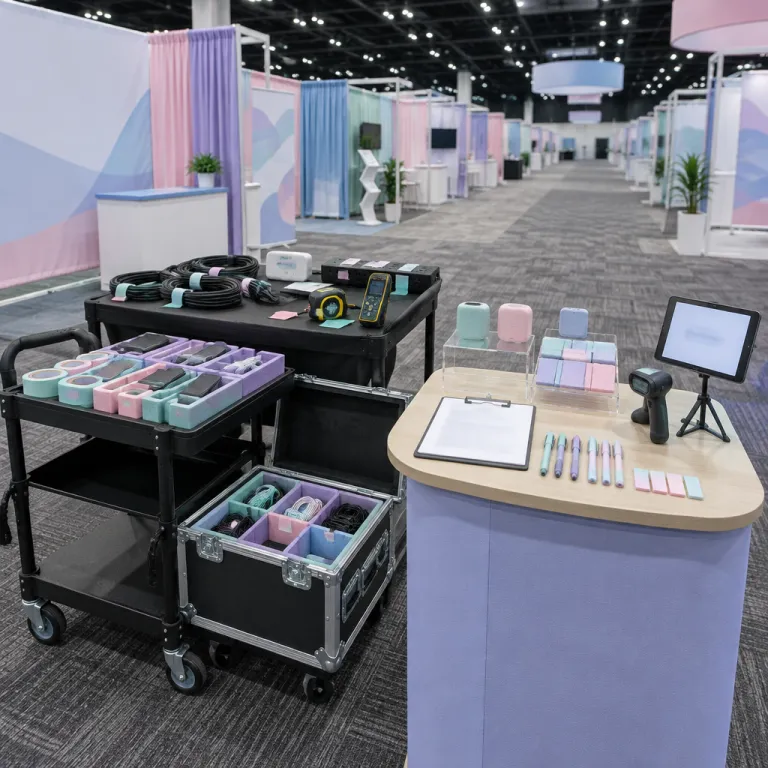
The hidden agenda of operations leaders on the Dutch show floor
Operations leaders from Dutch industrial organizations walk into a trade show with a vendor evaluation agenda, not a badge scan target. Their operations leader trade show vendor evaluation mindset focuses on compressing a six month selection process into two days on the show floor, while marketing colleagues chase meetings and impressions. In the Benelux context, this means using every event in Amsterdam RAI, Rotterdam Ahoy or Jaarbeurs Utrecht as a live laboratory for supplier evaluation and supplier performance benchmarking.
From the first registration step, serious operations management teams already segment vendors into tiers based on strategic fit, compliance risk and long term service capability. They study registration forms and exhibitor lists to map which supplier relationships matter for plant uptime, logistics resilience and project management delivery, then align their internal procurement teams around a shared evaluation process. That is why the same trade show that marketing sees as a lead generation event becomes, for operations, a dense matrix of vendor selection, supplier assessment and vendor performance checks.
On the show floor, an operations leader will rarely waste time at a generic show vendor booth with no clear technical data collection process. Instead, they move through the event with a pre defined route, a printed or digital form of evaluation criteria and a short list of suppliers whose performance, cost structure and compliance posture must be tested in person. This is operations leader trade show vendor evaluation in practice ; a disciplined trade craft that turns a noisy show into a structured evaluation process for both current suppliers and potential vendors.
The vendor evaluation loop: from long list to short list in two days
The core of operations leader trade show vendor evaluation is a tight loop that starts before the event and ends weeks after the show. Dutch procurement teams and operations management leads build a long list of vendors from exhibitor catalogues, industry associations and previous supplier performance reports, then tag each vendor with clear evaluation criteria such as total cost of ownership, uptime guarantees and regulatory compliance. At a Rotterdam logistics exhibition that positions itself as a leading business trade show in Europe, this loop often determines which suppliers even get a post event meeting.
During the show, every 15 minute booth conversation is treated as a structured supplier assessment rather than a casual chat. Operations leaders arrive with written questions on maintenance windows, integration process steps, spare parts logistics and data collection capabilities, and they capture answers in standardized registration forms or digital evaluation form templates. This disciplined selection process allows them to compare vendors on like for like vendor performance metrics instead of vague impressions from a crowded show floor.
After the event, procurement teams and operations managers run a joint vendor evaluation workshop where they score each supplier against the agreed evaluation process. They review notes from booth visits, cross check promises against existing supplier relationships and challenge any gaps in vendor management documentation or compliance evidence. The result is a short list that reflects real world supplier evaluation, not marketing gloss from the trade show, and that short list often drives long term contracts and strategic projects.
Technical assessment criteria that marketing never scans
Marketing teams at a Dutch trade show usually focus on badge scans, content engagement and brand visibility, while operations leaders quietly run a parallel operations leader trade show vendor evaluation based on hard technical criteria. On the show floor at events like Maintenance NEXT in Rotterdam Ahoy or Logistica in Utrecht, operations and logistics managers interrogate vendors on mean time between failures, integration with existing warehouse management systems and the process for on site support. These questions rarely appear in a marketing lead form, yet they decide whether a supplier ever reaches the procurement stage.
For a Benelux healthcare manufacturer visiting a healthcare expo in Rotterdam, the technical supplier assessment may include validation of GMP compliance, cold chain monitoring capabilities and data collection architecture for regulatory reporting. The operations leader will probe vendor management practices, ask for concrete examples of supplier performance during disruptions and request sample documentation that proves alignment with internal quality management systems. This is where supplier evaluation becomes a risk management exercise rather than a simple trade show conversation about features and benefits.
Because these evaluation criteria are so specific, operations leaders often design their own evaluation form to capture comparable data across multiple vendors. They rate each supplier on performance, cost, implementation process complexity and long term support, then feed this information into internal project management tools used by procurement teams. Marketing may celebrate a high number of show vendor interactions, but operations will only advance vendors whose answers, documentation and compliance posture meet the strict thresholds defined before the event.
The 15 minute booth meeting that replaces weeks of email
On a busy Dutch trade show floor, a focused 15 minute booth meeting can replace an entire month of email exchanges for an operations leader. When they approach a vendor, they already know the business context, the expected supplier performance level and the internal project management milestones that depend on this decision. That is why operations leader trade show vendor evaluation compresses the selection process into a series of intense, pre scripted conversations.
A typical operations led booth interaction starts with a quick validation of basic compliance and cost assumptions, then moves straight into the process details that matter for plant or logistics performance. The operations manager will ask targeted questions about implementation timelines, integration with existing systems, spare parts logistics in the Netherlands and the vendor management structure that will support the relationship. They often request live demonstrations, sample reports and concrete data collection outputs on the spot, turning the booth into a temporary audit room.
Instead of filling generic registration forms, these leaders use their own evaluation form to capture structured notes on each supplier, including red flags on vendor performance or gaps in supplier relationships governance. They leave the booth with enough information to brief procurement teams, update the internal evaluation process and either advance the vendor to a deeper supplier evaluation or remove them from the long list. In this way, a single trade show event in Amsterdam or Rotterdam can move multiple vendor selection decisions forward without the friction of long email threads and scattered online meetings.
Coordinating procurement, operations and marketing for measurable event ROI
In many Dutch organizations, marketing owns the trade show budget while procurement and operations quietly drive the most valuable outcomes. When operations leader trade show vendor evaluation is aligned with procurement teams and marketing, the same event can deliver both pipeline and hard savings on supplier performance and cost. The coordination challenge is to design a shared evaluation process that respects each function’s objectives without diluting the rigor of vendor evaluation.
Before the show, procurement and operations should jointly define evaluation criteria, supplier assessment templates and vendor management thresholds, then share these with marketing so that booth staff can recognize high value operations visitors. During the event, marketing can route operations leaders to the right show vendor representatives, while procurement captures structured data collection through tailored registration forms and digital evaluation form tools. This integrated selection process ensures that every booth interaction feeds both the sales funnel and the supplier evaluation pipeline.
After the event, a cross functional review should compare marketing metrics with operations outcomes such as improved supplier relationships, renegotiated cost structures and reduced compliance risk. Often, the long term value created by operations leader trade show vendor evaluation exceeds the visible marketing results, especially when new vendors replace underperforming suppliers or when existing suppliers improve vendor performance after a tough conversation on the show floor. The organizations that treat each trade show as a joint business event, not a marketing show, are the ones that turn vendor selection into a repeatable source of competitive advantage.
FAQ
How should operations leaders prepare for a trade show vendor evaluation workflow ?
Operations leaders should start by aligning with procurement teams on clear evaluation criteria, including performance, cost, compliance and long term support expectations. They need to build a prioritized list of vendors and suppliers from the exhibitor catalogue, then design a simple evaluation form to capture comparable data collection during booth meetings. Finally, they should schedule targeted appointments at the event to ensure that critical supplier evaluation conversations are not left to chance on the show floor.
What makes operations leader trade show vendor evaluation different from marketing’s approach ?
Marketing teams usually focus on lead volume, brand visibility and event engagement metrics, while operations leaders concentrate on vendor performance, supplier relationships and concrete business outcomes. The operations evaluation process is structured around supplier assessment, vendor management and selection process rigor rather than campaign reach. As a result, operations leaders treat each booth visit as a mini audit of supplier performance and compliance, not just a networking opportunity.
How can procurement teams support vendor evaluation during a Dutch trade show ?
Procurement teams can provide standardized evaluation forms, registration forms and scoring models that help operations leaders capture consistent data from vendors. They should also participate in key booth meetings to ask commercial and contractual questions that complement the technical supplier evaluation. After the event, procurement can consolidate all data collection into a central vendor management system and lead the selection process towards long term agreements with the best performing suppliers.
Which metrics best capture the ROI of operations led trade show participation ?
Useful metrics include the number of vendors moved from long list to short list, measurable improvements in supplier performance after the event and negotiated cost savings or risk reductions achieved through new or improved supplier relationships. Organizations should also track the cycle time reduction in their evaluation process when using trade show meetings instead of remote interactions. These metrics often reveal that operations leader trade show vendor evaluation delivers a higher business ROI than traditional marketing focused event participation.
How can marketing and operations share event intelligence more effectively ?
Marketing and operations should agree on a shared data collection framework before the event, so that both lead capture and supplier assessment use compatible fields and tags. After the trade show, joint debrief sessions can map which vendors are strategic suppliers, which contacts belong to buying committees and where vendor evaluation insights can inform future campaigns. This collaboration turns the event from a siloed marketing show into a coordinated business platform for both revenue growth and supplier optimization.